Publications
Published papers and book chapters.
2026
-
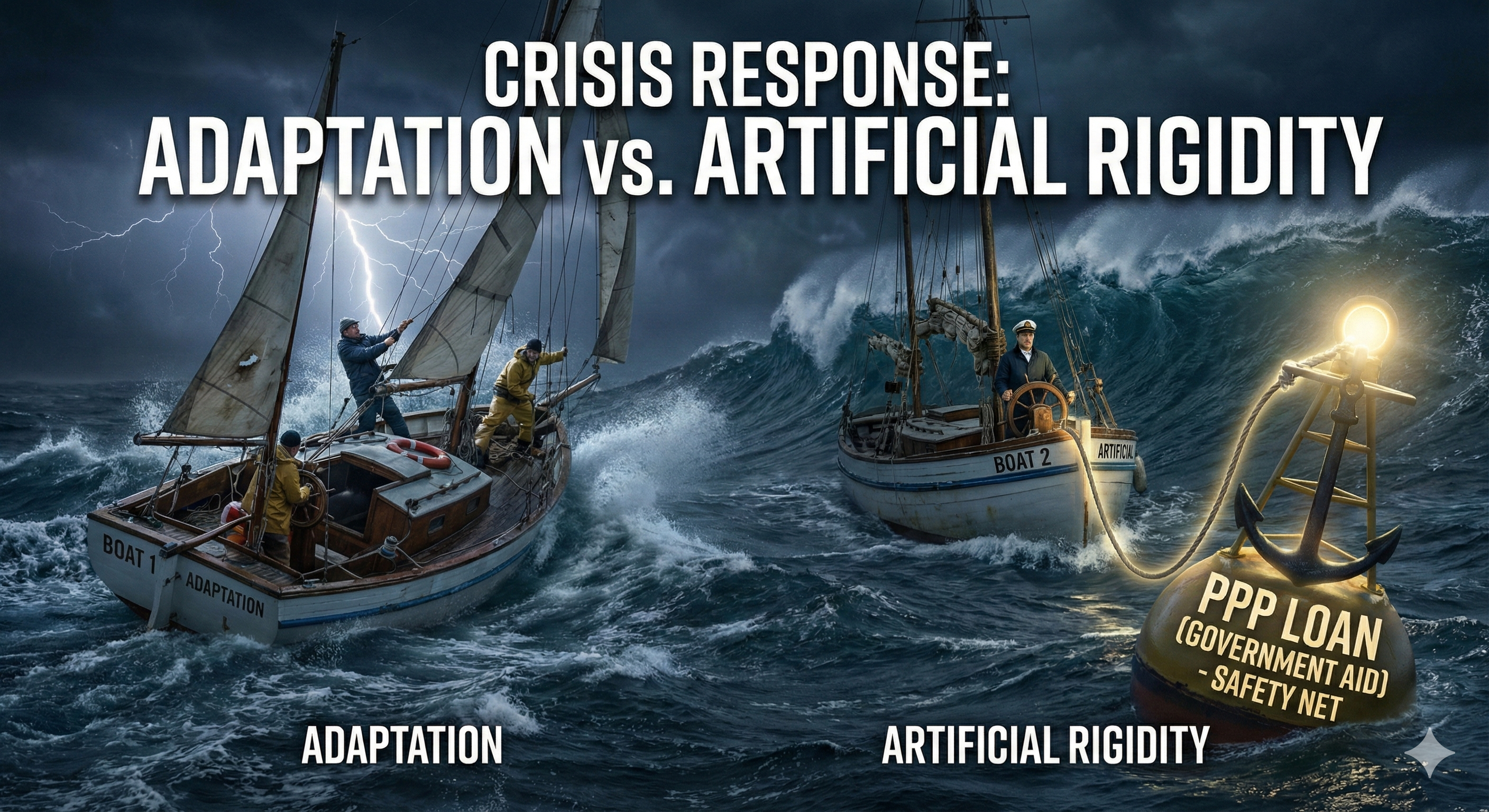 Threat, mortality, and rigidity: how terror management and threat rigidity shaped small business responses to the COVID-19 crisisDavid Jorgensen, Frances Fabian, Ronei Leonel, and 2 more authorsJournal of Small Business & Entrepreneurship, 2026
At the onset of the COVID-19 pandemic, small business owners faced unprecedented challenges, including the looming threat of bankruptcy. In response, owners adopted various changes to their business models, with the extent of these adaptations, including pivoting to new strategies, increasing as the perceived threat of closure grew. However, owners who applied for Paycheck Protection Program (PPP) loans, marketed as government rescue funding, were less likely to make significant adjustments. This study introduces the ‘artificial rigidity’ concept to describe how PPP assistance may have delayed or deterred immediate, adaptive responses to environmental exigencies. Drawing on Terror Management Theory (TMT) and the Threat Rigidity Effect, we argue that the perception of a more distant threat—mediated by the expectation of financial support—encouraged owners to revert to existing, known practices instead of pivoting to new strategies. Using a dataset of 1083 small business owners surveyed in Utah between April and May 2020, we show that businesses facing higher bankruptcy threats were more likely to adapt, but PPP recipients were less likely to change. This study contributes to understanding how external interventions may push or pull adaptive behavior during times of crisis, with implications for both theory and practice.

2025
-
 Of shepherds and sheep: Who sets the agenda for firms’ attention to social issues?Ronei Leonel, Jae Hwan Lee, and Elise PerraultCorporate Social Responsibility and Environmental Management, 2025
Corporate social responsibility has received much attention regarding how it can benefit firms and why firms voluntarily address social issues. However, little is known about the problems to which firms choose to pay attention and what influences these decisions. We combine the attention‐based view of the firm and media agenda‐setting theories to propose that firms address the most prominent social issues as determined by the media. We analyze the frequency of 64 social issues in the CSR reports of 258 firms from 2006 to 2016 for a total sample of 86,208 issue‐firm‐year observations. We find that the salience of the problems in traditional media influences the social issues firms address in their CSR reports, and over time, the agenda‐setting effect of traditional media on firms has increased, solidifying traditional media’s role as curators of social issues.
2024
-
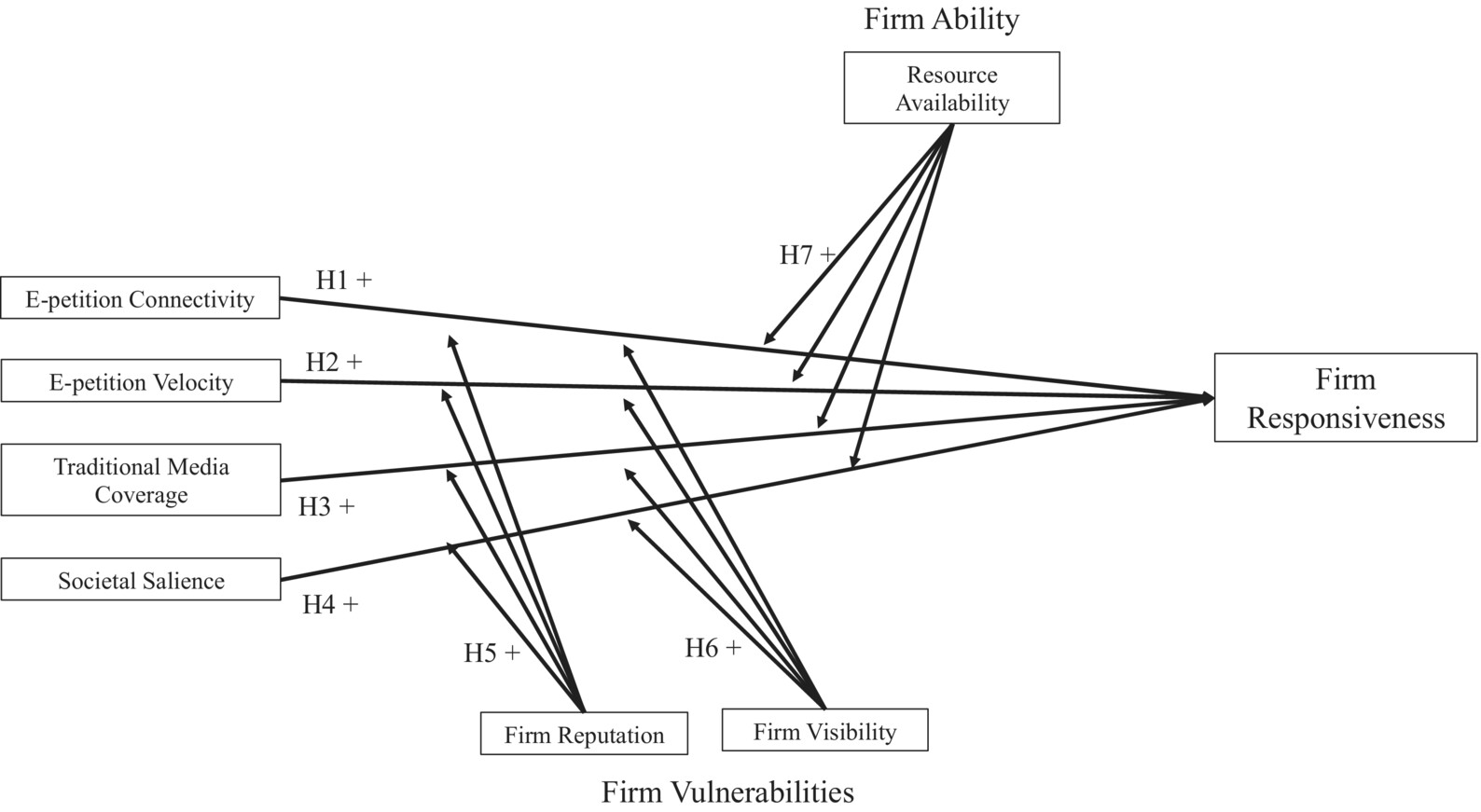 Firms’ Response to Slacktivism: When and Why are E-Petitions Effective?Ronei Leonel, Kathleen Rehbein, Michelle Westermann-Behaylo, and 1 more authorJournal of Management Studies, 2024
E-petitions have evoked an important debate about the potential for digital activism to pressure firms to change social policies and practices. One prevailing perspective is that slacktivism, a tendency of online supporters to provide only token support, undermines any possible impact. An alternative perspective is that social media dynamics underlying digital activism offer new pathways for social activists to pressure firms toward social change. To explore this debate, we combine insights from research on social movements, social media, and the logic of connective action to theorize the impact of social media mechanisms such as e-petition connectivity and velocity. With a hand-coded database of 1587 e-petitions targeting Fortune 500 firms from 2012 to 2017 through the platform Change.org, we empirically evaluate whether these e-petitions matter. Our empirical results strongly suggest that e-petitions do matter, and we explain when digital activism has impact. The activation of social media mechanisms spreads negative information and directly intensifies the threat to the targeted firm’s reputation, pressuring firms to concede to e-petitioner demands. Furthermore, our findings indicate that firm visibility and resource availability can represent boundary conditions for the firm’s vulnerability and ability to respond to digital activism.
-
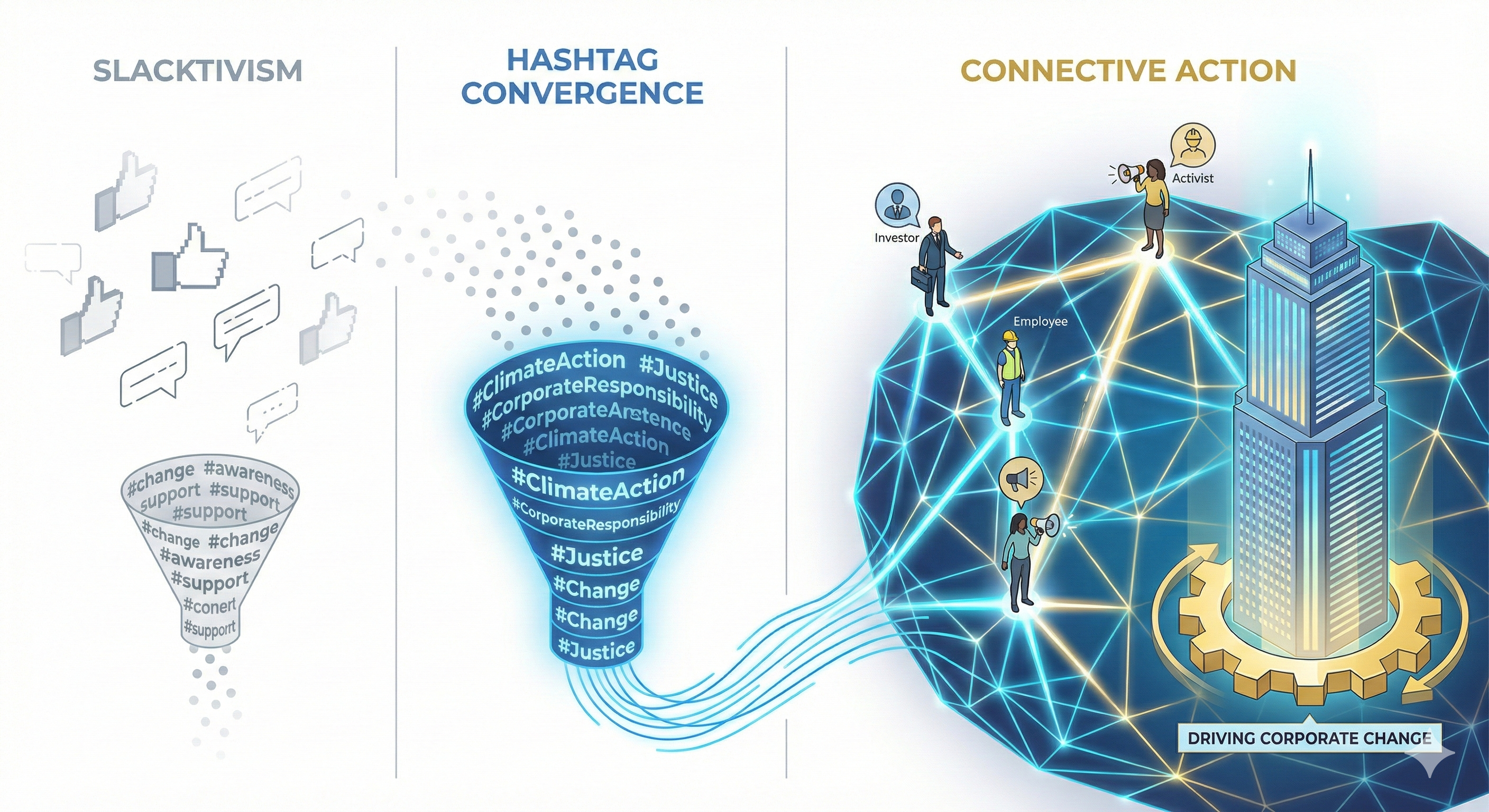 Digital Activism: Beyond Collective Actions and HashtagsRonei Leonel, Kathleen Rehbein, and Michelle Westermann-BehayloAcademy of Management Perspectives, 2024
There is an ongoing debate about whether digital media undermines or enhances the ability of stakeholders—in particular, secondary stakeholders—to influence a firm’s policies and practices. One prevailing perspective (Barnett, Henriques & Husted, 2020; Barnett, Henriques & Husted, 2024) is that digital media leads to slacktivism, a token display of support, which impedes the ability of stakeholders to act collectively and makes it easier for firms to dismiss stakeholder claims. Another perspective (Colleoni, Zyglidopoulos & Illia, 2024) argues that even though synchronicity may be difficult to achieve, digital media in the form of hashtags makes it easier for heterogeneous stakeholders to converge around a broader demand for societal change and indirectly pressure firms to change their policies and practices. In this exchange, we expand on Colleoni, Zyglidopoulos, and Illia’s (2024) arguments by encompassing other forms of digital activism beyond generic hashtags. Drawing from the logic of connective action, we argue that two universal pathways—connectivity and velocity—applicable across a wide range of digital activism, are reshaping and enhancing stakeholders’ ability to influence a firm’s social policies and practices.


2023
-
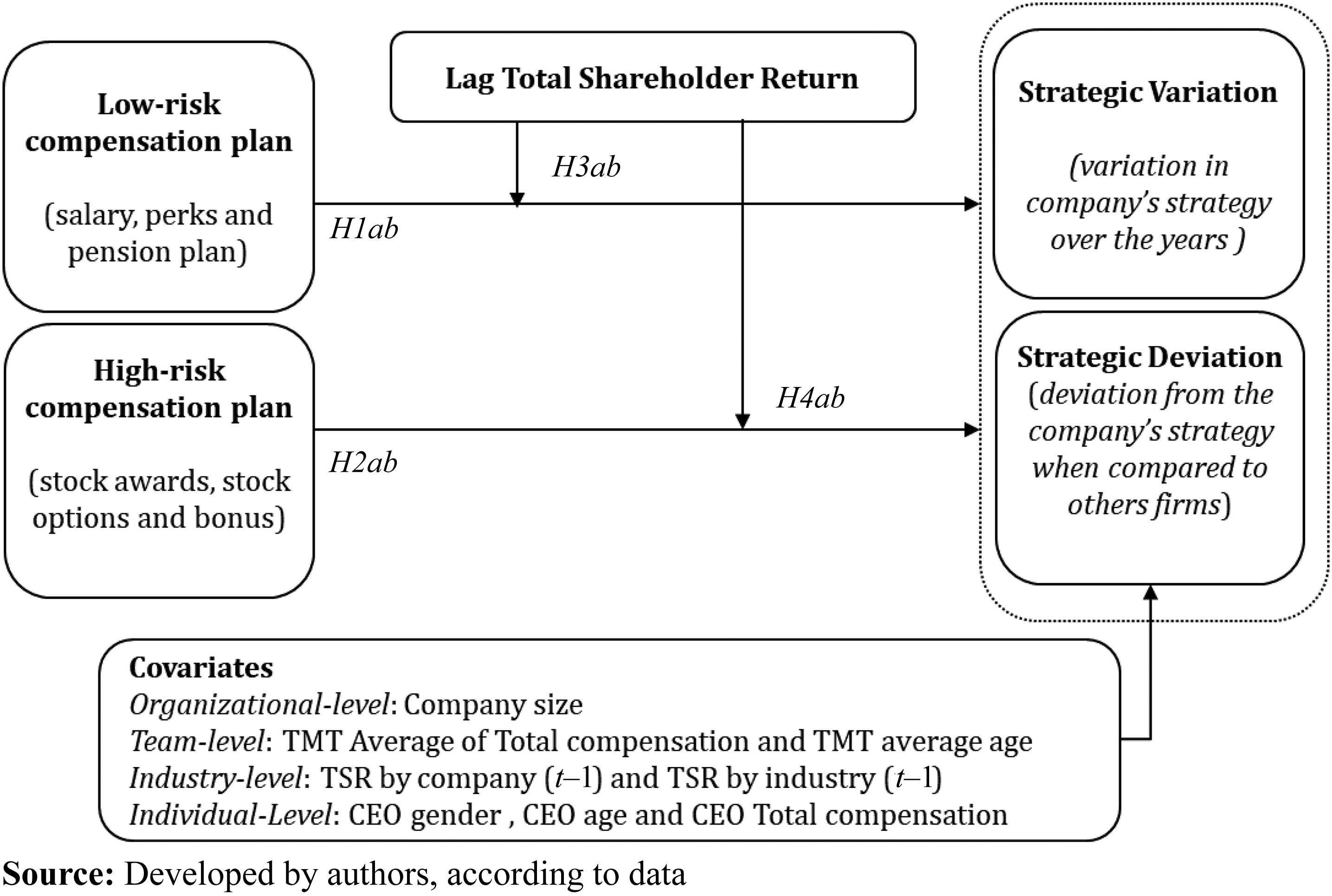 When CEO compensation plan based on risk changes firm strategic variation and strategic deviation? The moderating role of shareholder returnElizandra Severgnini, Valter Afonso Vieira, Gustavo Abib, and 1 more authorManagement Research: Journal of the Iberoamerican Academy of Management, 2023
The authors extend the recent research using the risk component of human resource’s (HR’s) compensation plans to examine the effects of risk components on two strategic outcomes: within-firm temporal change, or strategic variation, and firm strategic divergence from the industry, or strategic deviation. In addition, the authors examine the role of previous financial performance as a boundary moderator condition of the effects of risk components in the compensation plan and firm strategic outcomes.

2020
-
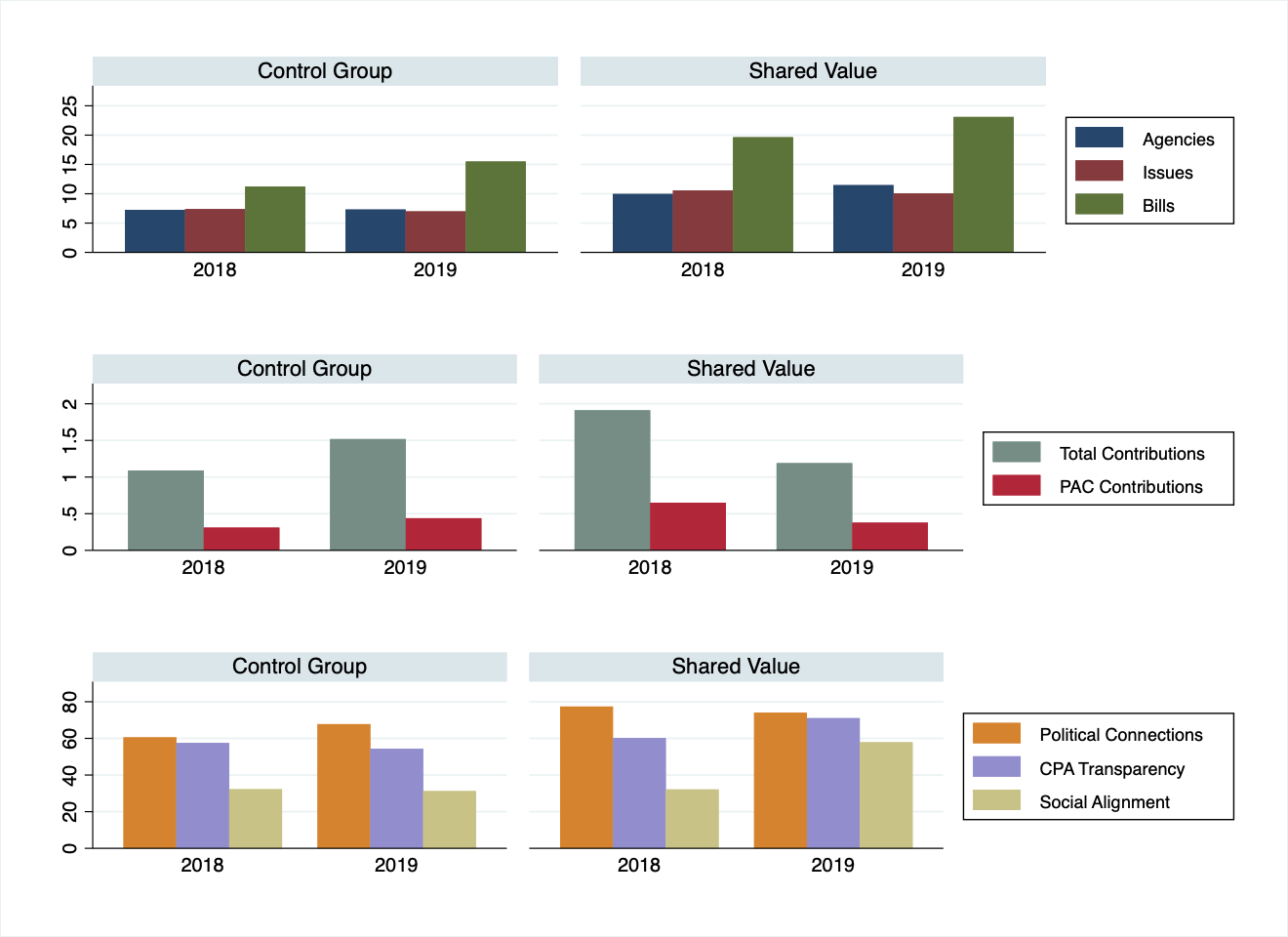 How do firms that are changing the world engage politically?Kathleen Rehbein, Ronei Leonel, Frank Den Hond, and 1 more authorRutgers Business Review, 2020
The objective of this study is to contribute conceptually and empirically to the discussion about when firms attempt to align their political efforts with their social goals and how this alignment affects their financial performance, an area currently still under-explored. The empirical context for our analysis focuses on companies that have been singled out due to their efforts to emphasize “shared value” defined as integrating competitive and social policies. The specific research questions that we shed light on in this study include: What have been the types of political efforts that these firms singled out in the pursuit of their shared value goals? Or, stated slightly differently: What is the political capacity of firms who have embraced social goals as part of their competitive strategy? Relatedly, we ask whether shared-value firms are more likely to deploy their political efforts to promote their social values initiatives and whether political and social alignment boost a firm’s net income.

2018
-
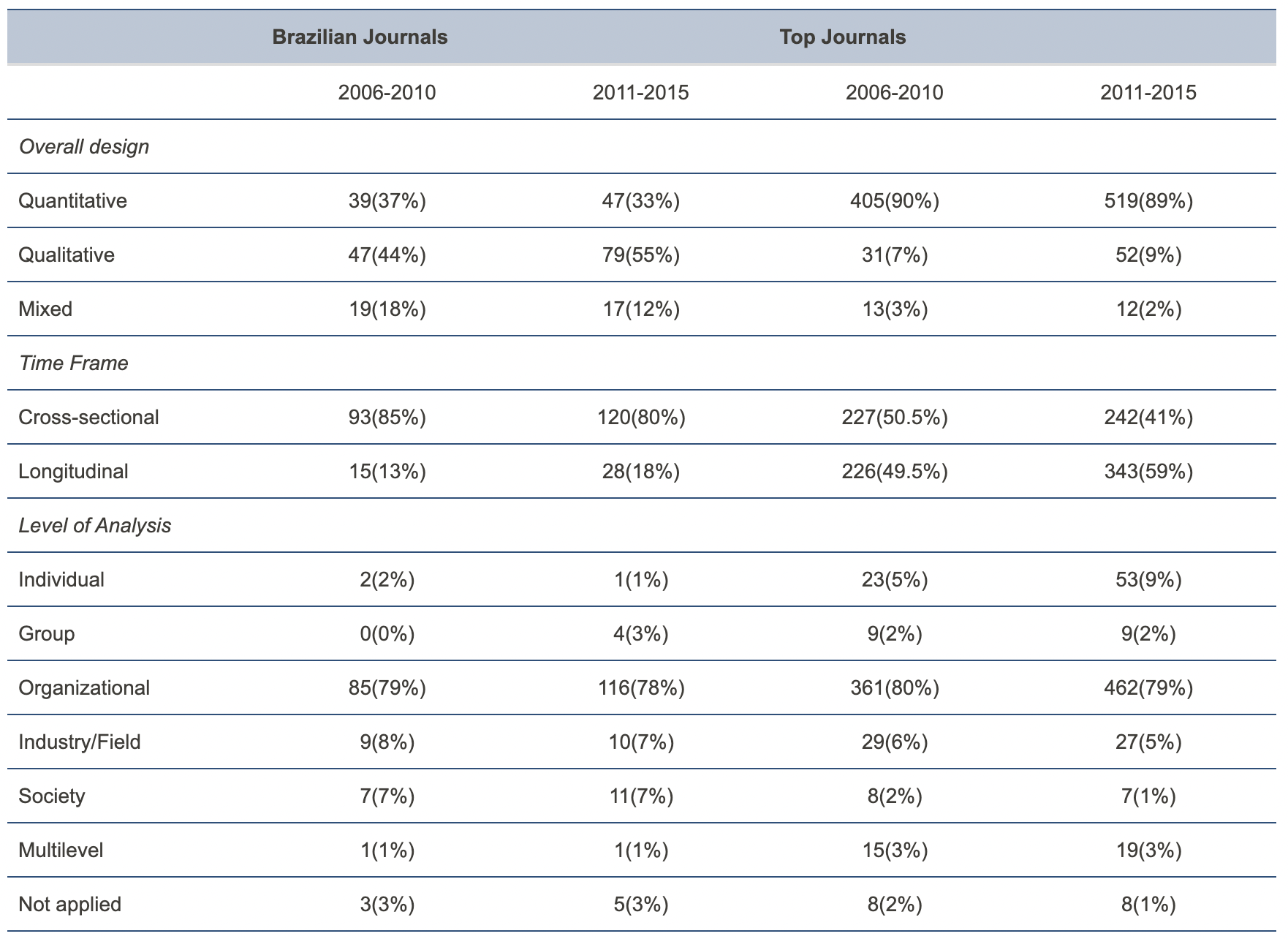 Assessing The Methodological Differences Between Brazilian Journals And Top Journals In StrategyRonei Leonel, Sara F Picheth, FERNANDA R SILVA, and 1 more authorRAM. Revista de Administração Mackenzie, 2018
Purpose: Our study compares methodological procedures of Brazilian papers with those of papers published in AMJ, OS, ASQ, JMS and SMJ in field of strategy from 2006 to 2015. Originality/value: Our study 1. identifies and describes methodological differences, offering a benchmark to improve future studies; 2. starts a discussion about the reasons those differences exist and their implications towards advancing the field of strategy; and 3. suggests forms of overcoming the current constraints and improving the quality of our research. Design/methodology/approach: Based on a systematic review, we analyzed ten Brazilian journals with the highest impact factor and five top journals. The search yielded a final sample of 1294 empirical papers. The data was analyzed through content analysis, for which our coding schema contained three dimensions: research design, measurement, and analytic approach. Findings: We found some methodological differences that may characterize Brazilian papers as testers and top journals as expanders, reinforcing results found by other studies, concerning the necessity of developing the Brazilian strategy field to be more competitive with the international field at large. Therefore, we concluded that it is desirable to improve our research methods as a field and possibly to overcome methodological differences, helping not only to develop theories but also to consider the Brazilian reality.
2013
- Atores, trabalho institucional e a institucionalização da estratégia de diversificação em uma cooperativa agroindustrialRonei Leonel and Cleverson Renan CunhaBASE-Revista de Administração e Contabilidade da Unisinos, 2013
Currently, the institutional theory is one of the dominant approaches in organizational studies. One of the main critics suffered by institutional theory is the little emphasis on actions and interests of social actors, which is reflected, several times, on a deterministic attitude. In the last decade, a series of studies sought to understand the influence of social actors in the creation of new institutions. To explore the human agency study about the institution, Lawrence and Suddaby (2006) proposed the institutional work concept that enables the explanation about the influence of social actors in the institutions without focus on voluntarism. The goal of this paper is to analyze which institutional work performed by social actors has influenced the institutionalization of diversification inside an agribusiness cooperative. The investigation strategy was the documental analyzes and the data analyzes was based on narrative analysis and content. The beginning of the institutionalization of diversity has unfolded only after its entry into the soybean market. In the period from 1974 to 1989, a widespread diversification in cooperative was observed in a horizontal, vertical and unrelated way. In the period from 1989 to 2003 a restructuring of the practice and meaning of diversification occurred. Finally, it was established that the process of institutionalization was influenced by social actors inside and outside the cooperative, both in terms of persistence and the institution changes, so that its shape and its meaning were the result of those institutional works.
2009
- Ambiente regulativo, respostas estratégicas e qualidade de ensino superior em organizações de ensino superior (IES) do Estado do ParanáJoão Marcelo Crubellate, Ariston Azevedo Mendes, and Ronei LeonelRevista de Administração da UFSM, 2009
Our main purpose in this paper was to investigate the meaning of education quality in higher education organizations (IES) located in Paraná State, Brazil. To achieve that purpose we planed a survey to describe strategic responses in IES to governmental quality patterns in the period of 2001-2003. We used Brazilian legislation related to Higher Education and a structured questionnaire as main sources of data. The questionnaire was sent to 130 profit Higher Education Organizations during 2004, with 35 valid and complete questionnaires were sent back. We used multivariate methods to analyze answers according to our purposes. Results suggested that education quality was understood in those organizations as a source of institutional legitimacy (in some organizations) and as a source of real improvement of education process, in other organizations. Concluding, we could suggest the importance of further investigation about possible relations between cognitive and interpretive patterns in organizations and strategic responses to environment pressures as a way to understand ways of institutionalizing social processes and structures.
